

Cart
0
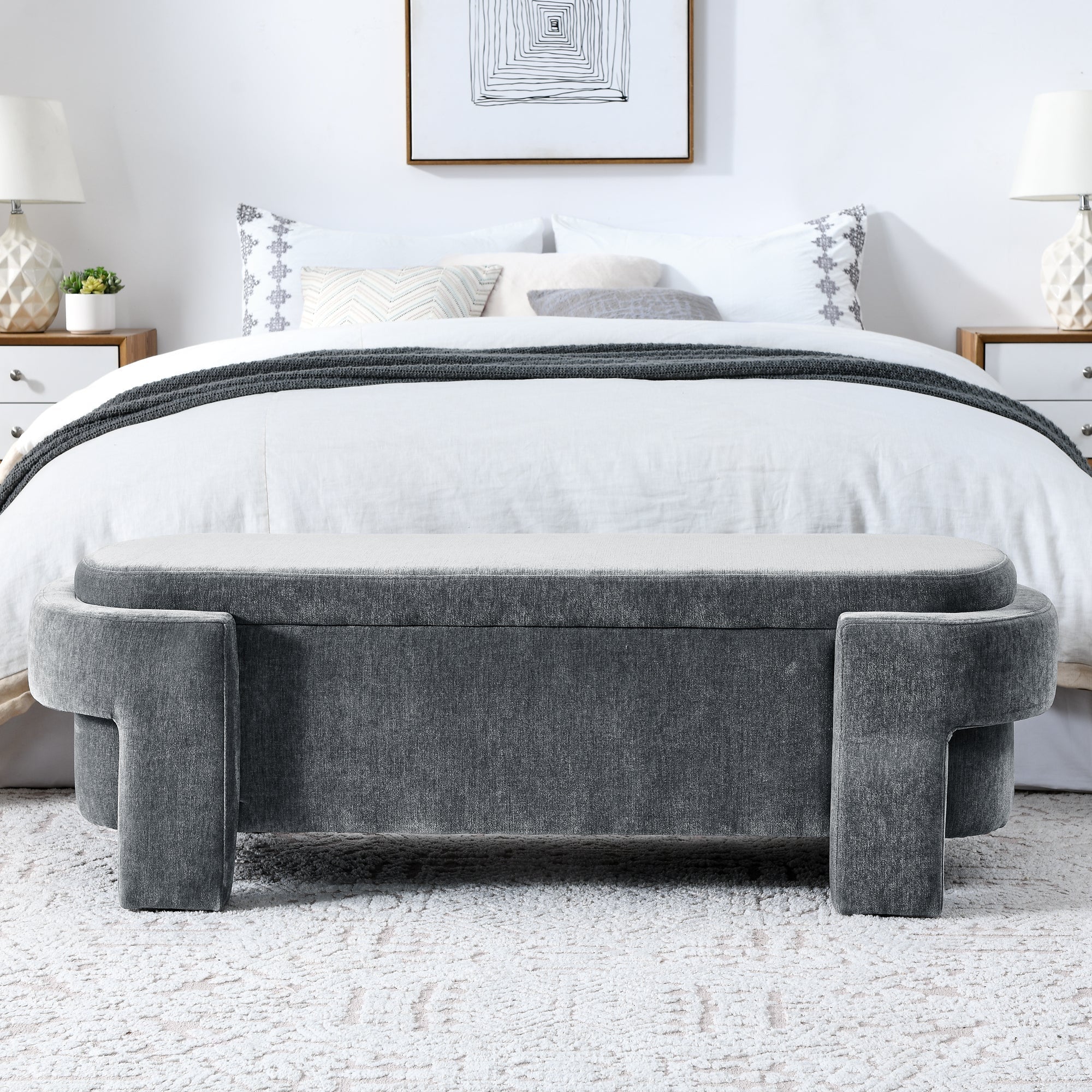
When a bench fails, it's the frame or the cover—and that's a material story. This guide compares wood vs. upholstered benches on the properties that decide how long a piece looks good in a real home: durability, comfort, cleanability, and style. It pairs with our shoe bench buying guide and our shoe bench vs. storage bench comparison.

The Two Builds, Defined
A wood bench (we use rubberwood and walnut-accent hardwoods, often with a faux-leather or wood top) is a natural, renewable frame with grain and warmth. An upholstered bench wraps a frame in fabric over foam—softer to sit on, cozier to look at. Our wood shoe bench and upholstered bench show both ends of the spectrum.
Durability Scorecard
| Property | Wood (incl. faux-leather top) | Upholstered |
|---|---|---|
| Frame strength | High (solid wood/steel) | High if solid-frame |
| Top wear | Low (wipe-clean) | Medium (fabric pills/soils) |
| Refinishable | Yes (sand & oil) | No (re-upholster only) |
| Repairable | High (glue, screw, patch) | Low (seam/welt fix) |
| Comfort | Firm | Soft, cushioned |
| Stain resistance | High (non-porous top) | Medium (needs prompt care) |
Comfort: The Deciding Factor for Long Sits
If the bench is where you put on boots for five minutes, firm wood is fine. If it's a bedroom perch for dressing or a window reading seat, upholstery wins—the foam takes the pressure off. A cushion bench splits the difference: padded top on a wood base.
Cleanability in a Real Entry
Entries see mud, rain, and pet paws. Faux-leather and wood tops wipe in seconds—our black faux-leather bench is the easy-care pick. Upholstery needs immediate blotting and periodic fabric care; a dark fabric hides more than ivory. If the bench lives by the door, lean wood or faux-leather.
Humidity & Climate
Solid wood moves slightly with humidity—tighten hardware seasonally and keep it off heating vents. Upholstery foam is stable but can hold moisture if a wet shoe is left on it; blot and dry. In unconditioned mudrooms, wood or faux-leather tops are the safer choice.
Repairability & Lifecycle
Wood's big advantage: a loose joint is glue-and-clamp, a scratch is sand-and-oil. Upholstery that tears or crushes needs re-upholstery or replacement. Over a decade, a maintained wood bench often outlasts an upholstered one you can't easily fix. That's why we lead with wood in hard-working entries.
Style & Room Fit
| Room | Pick |
|---|---|
| Mudroom / front entry | Wood or faux-leather (easy care) |
| Bedroom | Upholstered (comfort + linen storage) |
| Minimalist living | White/gray wood or cushion bench |
| Cozy reading nook | Upholstered |
Environmental Footprint
Solid wood from managed forests stores carbon and is renewable; at end of life it composts or burns clean. Upholstery foam is petrochemical-based and harder to recycle. If sustainability ranks high, a repairable wood bench is the lower-lifetime-impact choice.
Allergens & Dust
Upholstery can harbor dust mites if not vacuumed; wood and faux-leather wipe to a clean, non-porous surface. For allergy-prone homes, non-upholstered tops are easier to keep dander-free.
Warranty Expectations
Expect a well-made wood bench to last 10+ years with twice-yearly bolt checks; upholstered 8–12 years if the frame is solid and the cover is cared for. Keep proof of purchase—most frame warranties require maintained hardware.
Common Myths
- "Upholstery is always more comfortable" — a padded cushion bench rivals it.
- "Wood is cold" — a faux-leather or cushioned wood top feels fine for shoe changes.
- "Upholstery lasts longer" — the opposite is usually true; wood is repairable.
Which Should You Buy?
- Buy wood / faux-leather for entries, mudrooms, and homes with kids/pets—easy care, repairable.
- Buy upholstered for bedrooms and nooks where comfort and softness matter more than wipe-ability.
- Buy a cushion bench when you want padded comfort on a washable wood base.
Starters: white wood bench, gray cushion bench, upholstered bench.
Care by Material
| Task | Wood / Faux-leather | Upholstered |
|---|---|---|
| Weekly | Dust + wipe | Vacuum top |
| Spill | Wipe at once | Blot immediately, air dry |
| Protection | Monthly oil (wood) | Fabric guard spray |
| Hardware | Tighten seasonally | Check frame joints |
Frequently Asked Questions
Is wood or upholstered more durable?
Wood/faux-leather tops resist wear and are repairable; upholstery soils and is harder to fix. For hard use, wood wins.
Which is more comfortable?
Upholstered and cushion tops are softer for longer sits; wood is fine for quick shoe changes.
Which is easier to clean?
Wood or faux-leather—wipe and done. Upholstery needs prompt blotting. Our black faux-leather bench is the easy-care pick.
Does upholstery stain easily?
It can; blot spills at once and use a fabric guard. Dark fabrics hide more.
Can I refinish a wood bench?
Yes—sand lightly and re-oil or re-lacquer. That is wood's longevity edge.
Which suits a bedroom?
Upholstered—comfort plus linen storage at the foot of the bed.
Which suits a mudroom?
Wood or faux-leather for wipe-clean durability.
How long does each last?
A maintained wood bench lasts a decade-plus; upholstered 8–12 years with frame care.
Is a cushion bench a good compromise?
Yes—padded comfort on a washable wood base, like our gray cushion bench.
Which is better for allergies?
Wood or faux-leather—non-porous, easy to keep dander-free.
Which is more sustainable?
Wood from managed forests, repairable, lower lifetime impact than foam-upholstered frames.
Final Takeaway
Wood for care and repair; upholstery for comfort and coziness. Match material to the room, not the trend. Browse the entryway collection and revisit the buying guide before you choose.
By the TAITIY Furniture Team.

